


Teaching & Coaching
My Approach
Giving musical instinct the tools to grow.
I start with where each student is. In college courses there are boundaries and standards, and students do not all arrive with the same experience or understand the material at the same level. My particular strength is making complex ideas clear and practical. I create concrete strategies that help students grasp musical relationships, internalize systems such as the circle of fifths, and practice even the most elusive listening skills.
I am positive and encouraging, but I also push. Students need to prepare, practice, take responsibility for their progress, and develop professional habits. I want them to discover that disciplined work can be both demanding and deeply satisfying.
The work should also be interesting, creative, and enjoyable. I want students to explore, make discoveries, and experience the satisfaction of becoming more capable. I do not want knowledge to diminish their passion for music. I want it to connect that passion to a deeper and larger reality.
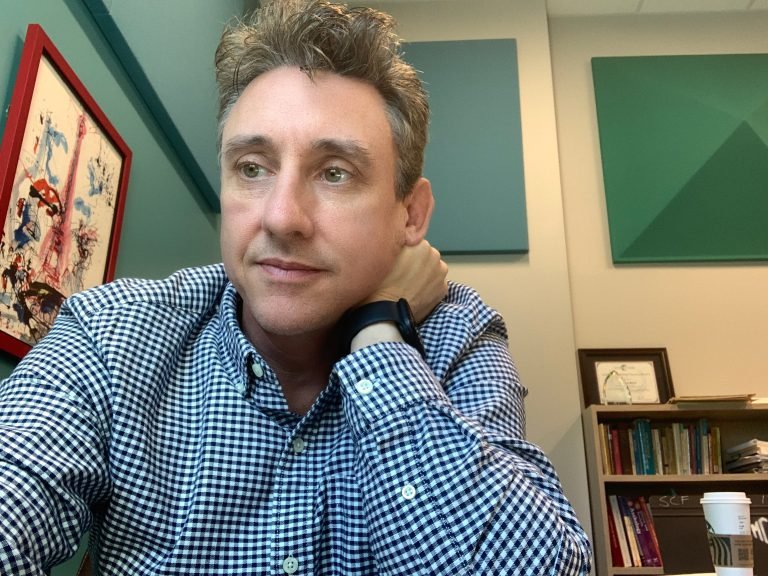
College Teaching
State College of Florida
Music Theory
Music theory is the physics of music.
Most beginning music students arrive with an affinity for music. They sense its art, balance, energy, or expressive power, even if they cannot yet explain what they hear. Music theory connects that instinctive response to the deeper reality of how music works.
Theory is the language of music. It gives musicians the means to name relationships, understand structure, communicate ideas, and make deliberate creative choices. Students may initially see it as something they simply have to endure. My greatest satisfaction is watching them realize that they are learning a language they will speak for the rest of their musical lives.
Ear Training & Sight Singing
Training the musical instincts we already possess.
Even young children can sing in a key. Long before they know words such as tonic, interval, or tonal center, their minds already recognize pitch relationships, expectation, balance, and return. Ear training brings that natural musical intelligence into conscious awareness.
Once students recognize that this ability can be developed, they can begin to manage and train it. They learn to hear pitches internally, manipulate relationships between them, and practice skills that once seemed intangible. From there, their inner hearing can develop as far as they choose to take it
Composition
Explore the universe of the idea.
I believe that any music—even a single note—contains a universe. In composition, I ask students to explore the universe of their idea. Bring all of your musical science to bear on it: your knowledge of theory and every tool, technique, and listening skill you have developed. Observe it, question it, test it, and listen closely. Gradually, its natural physics will reveal itself. As you come to understand those laws, you can begin to make sense of that universe and discover the music it wants to become.
Music Appreciation
Listening, history, and culture
I also teach Music Appreciation, helping students connect musical history, style, culture, and listening with the music they already know. My online textbook, Now Hear This, was developed to make those connections approachable, engaging, and relevant for today’s students.
Courses/ Subjects
My teaching spans foundational musicianship, creative work, general music studies, and musical-theatre performance.
Musical Theatre Coaching
Asolo Conservatory for Actor Training
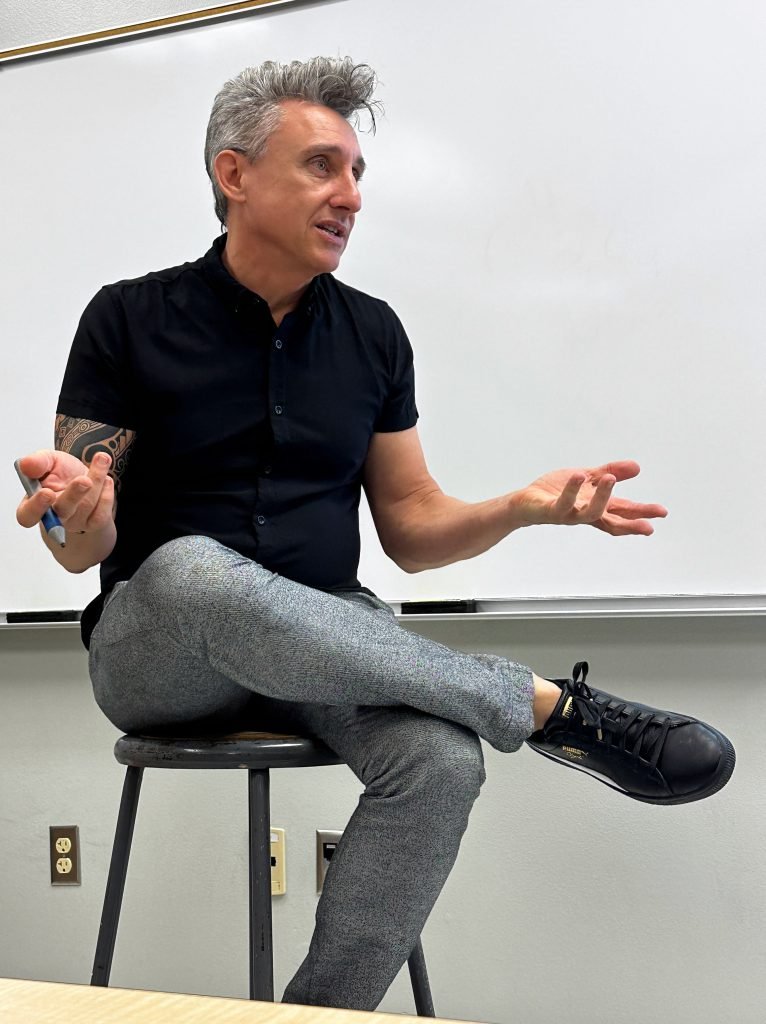
Two words I use surprisingly often: “Stop singing.”
At the FSU/Asolo Conservatory for Actor Training, I coach graduate actors whose musical experience ranges from none at all to formal degrees in musical theatre. I begin by listening to the person in front of me: where the voice is technically, how the breath is working, and whether the performer is focused, calm, and free enough to explore.
When people believe they are supposed to “sing,” they often add effort. They imitate sounds they have heard, manufacture a singing voice, or place layers of expectation over their natural instrument. Much of my work involves helping actors release those layers. The breakthrough often comes when they stop trying to produce a voice and begin trusting the instrument they already have.
My singing work operates in parallel with the Conservatory’s training in voice and speech. Both disciplines attend to breath, freedom, and connection, but my focus is specifically on the sung voice: developing range, ease, musical confidence, and the ability to carry a story through song.
Having played and musical-directed thousands of performances, I also bring the perspective of the rehearsal room and the professional stage. Preparation, punctuality, direct communication, and collaboration matter. So does creating an atmosphere in which performers feel safe enough to take risks and responsible enough to contribute to the larger work.
What I ultimately want a performer to find is joy—the freedom to trust the voice, enter fully into the music, and reach the emotional depth of the story it carries.